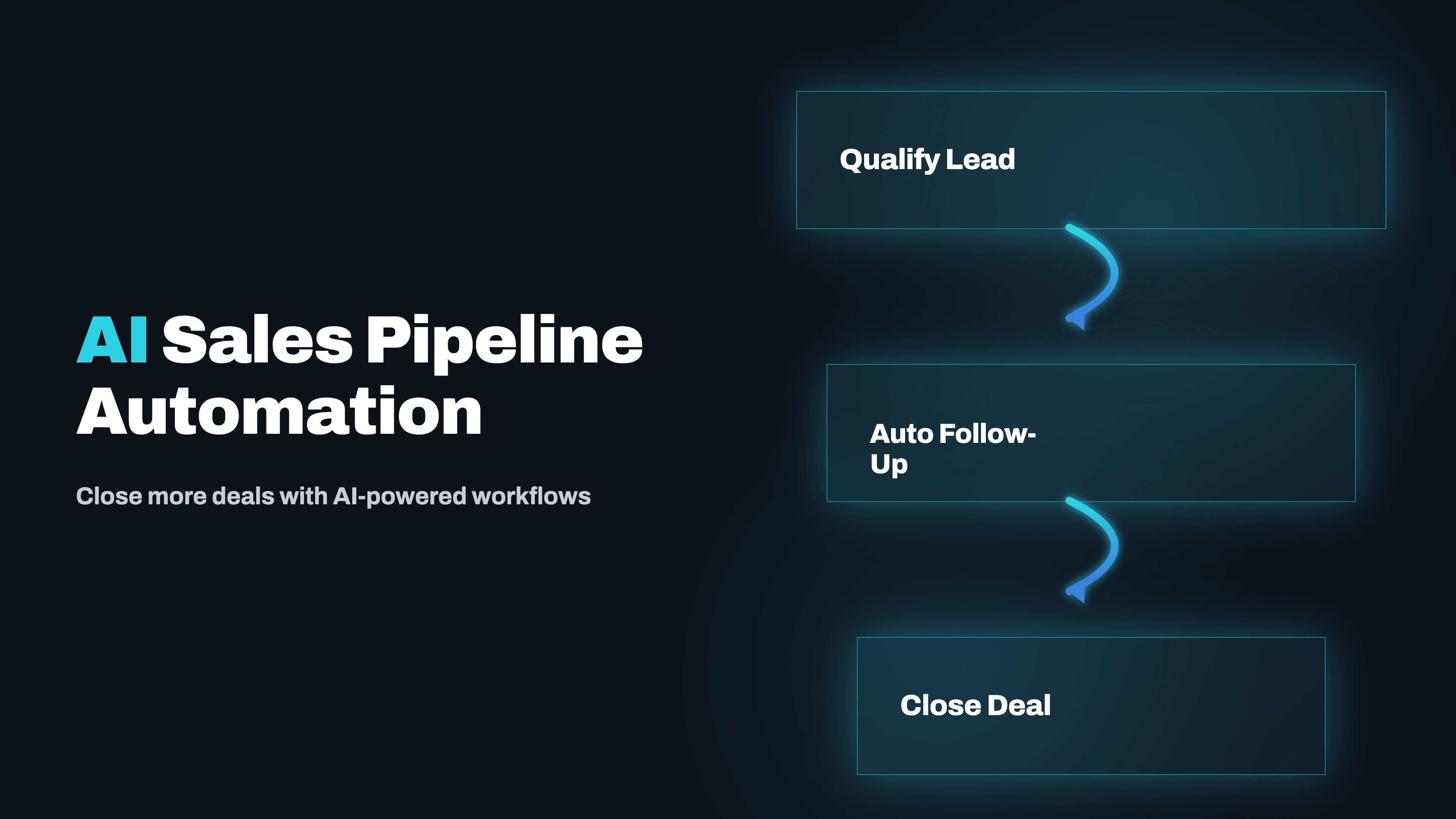
AI in sales used to mean a chatbot on your pricing page. In 2026, it means autonomous agents that qualify leads, personalize outreach sequences, draft proposals, handle follow-ups, and keep your CRM clean, without a rep touching it. Here's what's actually deployed and working.
Sales teams have been promised AI tools for years. Most of what they actually got was a fancier CRM search bar and an email subject line generator. In 2026, that's genuinely changing, not because the AI got smarter overnight, but because the integration layer matured enough to connect AI reasoning to the systems sales teams actually use. We've built AI sales automation systems for B2B companies ranging from 5-person startups to 300-person enterprise sales organizations. Here's what's working at each stage of the pipeline.
Lead Qualification: Where AI Earns Its Keep First
Lead qualification is the highest-ROI starting point for AI in sales. It's repetitive, it follows defined criteria, and it consumes a disproportionate amount of senior rep time on leads that will never convert. We build qualification agents that enrich inbound leads (company size, funding stage, tech stack, recent hiring signals) using data APIs like Apollo, Clearbit, and Hunter, then score them against your ideal customer profile using an LLM with your criteria embedded in the system prompt.
The entire qualification process happens in under 2 minutes per lead, versus the 20–40 minutes a rep would spend on the same enrichment and decision manually.
Personalized Outreach Sequences That Don't Sound Automated
The failure mode of AI outreach is obvious: it sounds like AI outreach. The buyers who receive 50 cold emails a day have exceptional AI-detector instincts. The personalization that actually converts is specific, referencing a recent funding round, a specific product update, a LinkedIn post the prospect made last week, or a shared connection.
We build outreach agents that pull recent signals from LinkedIn, company news feeds, and CRM history, then use that context to generate a first-touch message that could plausibly only have been written for that specific person. At scale, these agents generate 80–120 personalized first-touch messages per hour per seat, something a human rep doing it properly would spend a full day producing. Conversion rates on AI-personalized outreach are consistently 15–25% higher than templated sequences in our client campaigns.
Follow-Up: The $500,000 Problem Nobody Talks About
Studies consistently show that 80% of sales require 5 or more follow-ups, and 44% of reps give up after one. The math on that gap is brutal. For a team closing at a $30,000 average contract value, fixing follow-up discipline alone can add $400,000–$600,000 in annual revenue without changing headcount or product.
AI follow-up agents solve this structurally, not behaviourally. The agent monitors for trigger conditions (email opened but not replied, meeting booked but no confirmation, proposal sent but no response after 72 hours) and sends contextually appropriate follow-ups on a defined schedule. The messages aren't generic check-ins, they're generated fresh each time using the history of the conversation, the prospect's recent activity, and any new signals. Reps review a daily digest of what the agent sent; they don't have to manage the sequences manually.
Proposal and Pricing Automation
Proposal generation is one of the most time-consuming parts of the sales process and one of the most underautomated. A well-designed AI proposal agent can pull the relevant customer context from CRM notes and call transcripts, populate a structured proposal template, generate the ROI analysis section using the prospect's own figures, and produce a first draft that's 70–80% ready for the rep to review in under 5 minutes.
We've deployed this for clients where proposals previously took 3–6 hours to produce. The agent doesn't replace the rep's judgment on strategy and positioning, it eliminates the assembly work. For companies with complex, customizable pricing, we add a configuration layer that applies discount rules, approval thresholds, and product bundling logic automatically.
CRM Hygiene: The Automation That Saves Everything Else
None of the above works if your CRM data is bad, and most CRMs are. Reps don't log calls. Deal stages drift. Contact records go stale. We build CRM hygiene agents that run continuously: transcribing and summarizing sales calls using Whisper, extracting structured data (next steps, objections raised, stakeholders mentioned, budget discussed) and writing it to the CRM record automatically, flagging deals that haven't had activity in more than X days, and enriching contact records when email addresses or phone numbers bounce.
Teams using automated CRM hygiene consistently see 30–40% improvement in forecast accuracy within the first quarter, because the data the forecast is based on is actually current.
The Stack We're Using in 2026
- ✓Enrichment: Apollo.io API, Clearbit, LinkedIn Sales Navigator data layer
- ✓Outreach: Instantly.ai or Smartlead for email infrastructure; custom agents for LinkedIn outreach via Sales Navigator
- ✓CRM: HubSpot or Salesforce as the system of record; agents write to CRM via API, never via UI automation
- ✓Orchestration: n8n for workflow logic; LangGraph for multi-step reasoning chains
- ✓LLM layer: Claude 3.5 Sonnet for personalization and drafting; GPT-4o for structured data extraction
- ✓Transcription: OpenAI Whisper for call recording processing
- ✓Call recording: Fathom, Fireflies, or Gong depending on client size
Implementation Sequencing: Where to Start
Sales teams that try to automate everything at once typically get mediocre results everywhere. For most B2B sales organizations in 2026, the highest-ROI starting point is lead qualification automation, it affects every lead that enters the pipeline and the time savings per lead are large. Once qualification is running reliably, the next layer is follow-up automation, which has the most direct revenue impact since most dropped deals are lost to lack of follow-up rather than rejection. Proposal automation and CRM hygiene come third and fourth, delivering efficiency gains that compound the improvements from the first two layers.
AI sales automation in 2026 is not a replacement for a great sales team, it's what makes a good sales team operate like a great one. If your sales team is spending more than 40% of their week on non-selling activities, that's where the automation opportunity is. Book a workflow audit and we'll identify the highest-ROI automation for your specific sales motion.
Related Articles
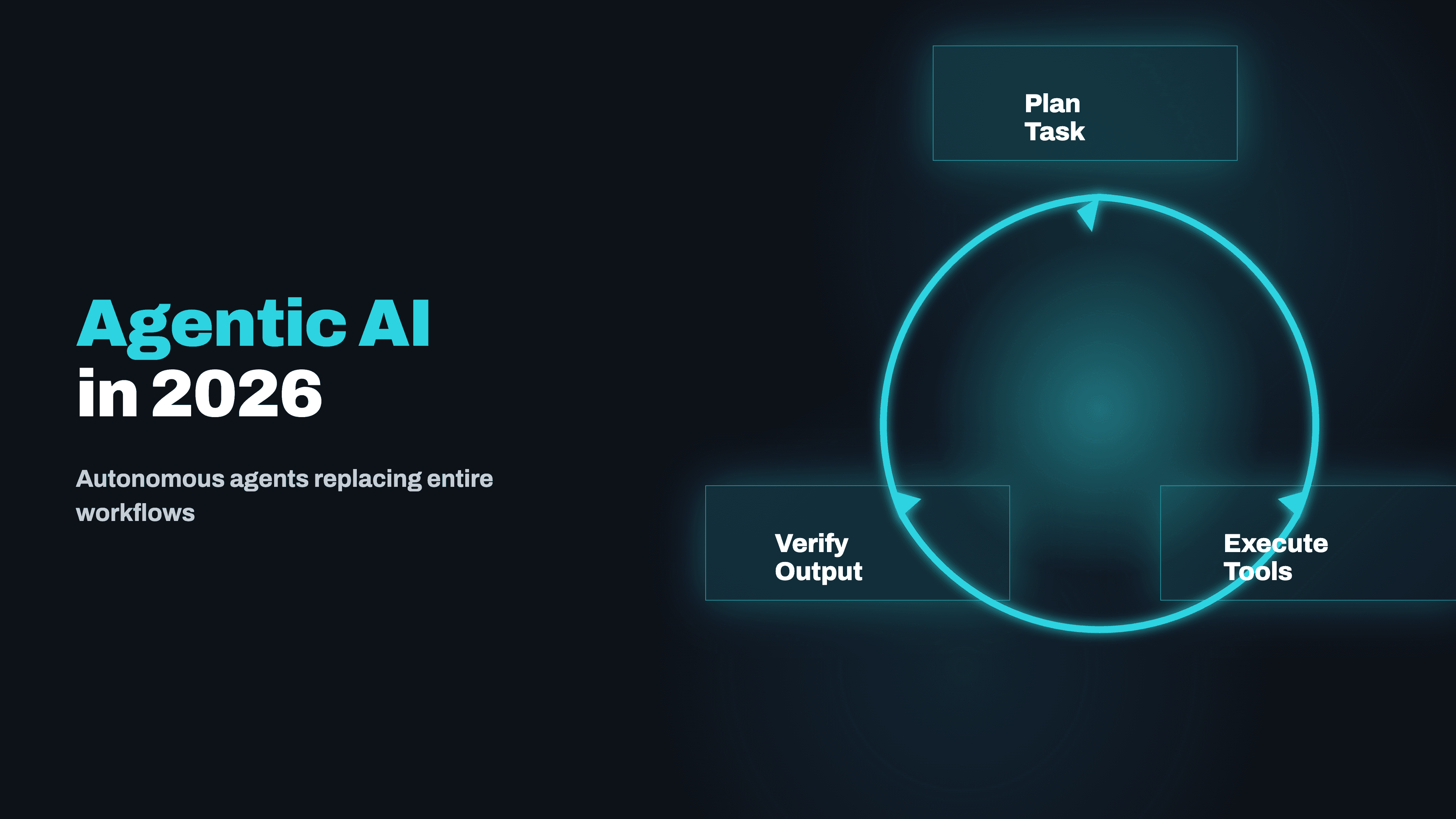
Agentic AI in 2026: How Autonomous Agents Are Replacing Entire Workflows
Agentic AI is the most over-used phrase in tech right now, and also the most consequential shift in how work gets done. Here's a ground-level view of what autonomous AI agents actually replace, what they can't, and what a real deployment looks like in 2026.
Read →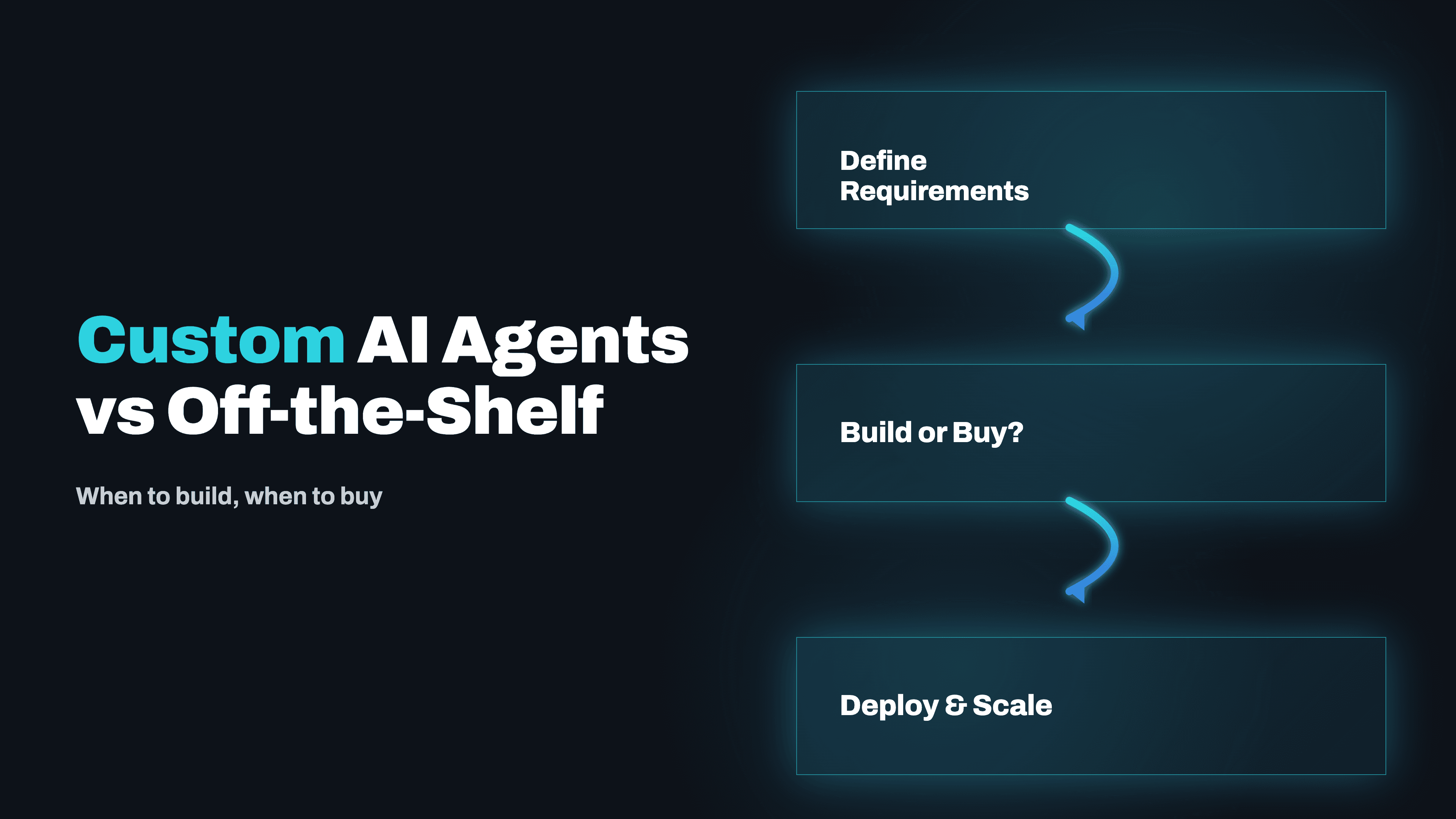
Custom AI Agents vs Off-the-Shelf: When to Build, When to Buy
Every vendor will tell you their product handles your use case. Some of them are right. Here's an honest framework for deciding when a custom AI agent is worth the investment, and when buying an existing tool is the smarter call.
Read →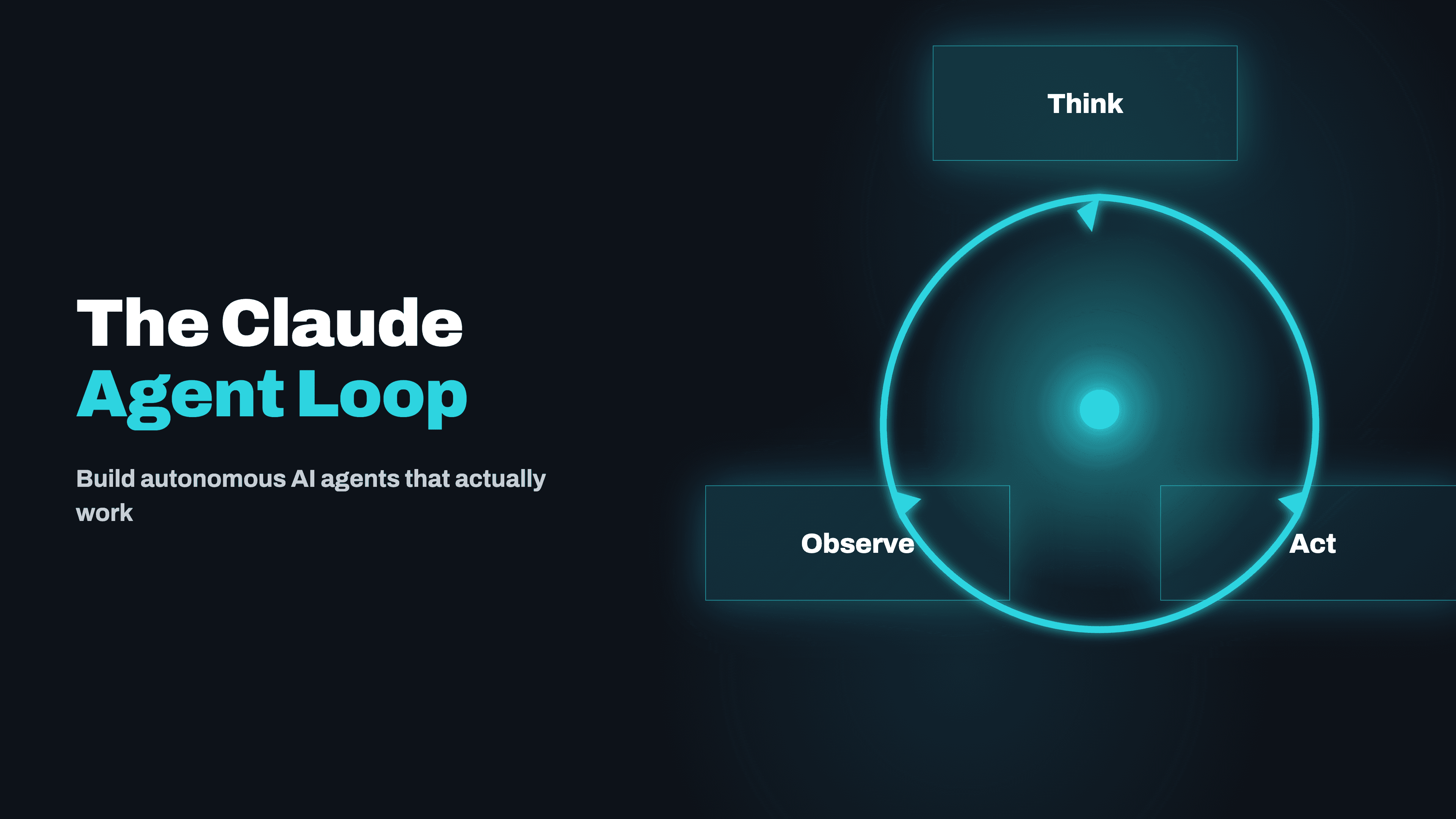
The Claude Agent Loop Explained: How to Build Autonomous AI Agents That Actually Work
Claude's agent loop is one of the most powerful patterns in applied AI right now, and one of the most misunderstood. Here's how it actually works, what makes agents built on it reliable, and how to avoid the failure modes that kill most agentic deployments.
Read →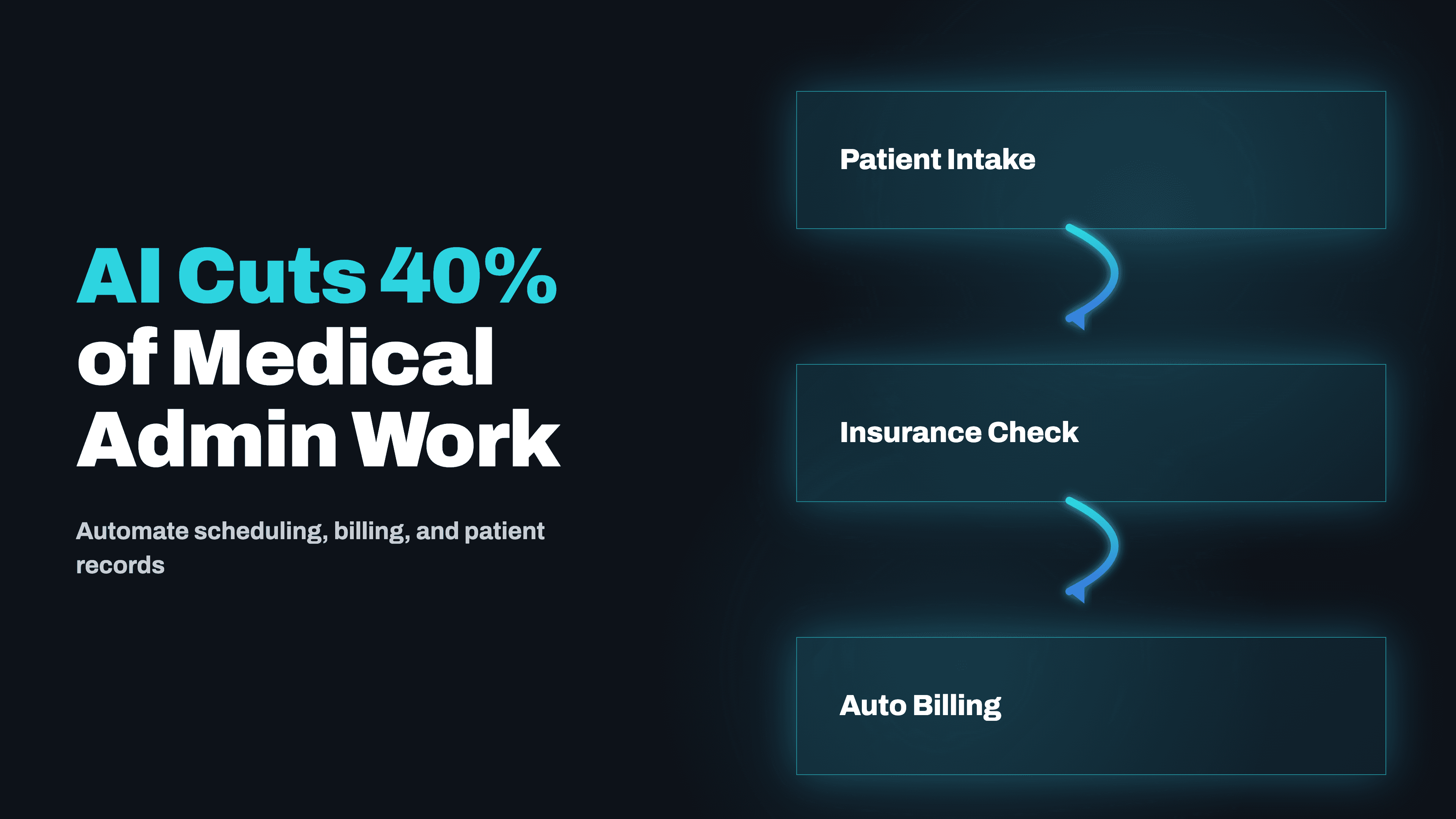
How AI Automation Cuts 40% of Admin Work in Medical Practices
Administrative overhead is the silent killer of medical practice profitability. Here's how AI automation is reclaiming hours every day across patient intake, prior auth, appointment reminders, and billing follow-ups.
Read →Want to implement this for your business?
Book a free strategy call. No commitment, no pitch deck — just a real conversation about your workflow.
Discuss Your Project →